How to Build a Balanced Plate for Every Meal
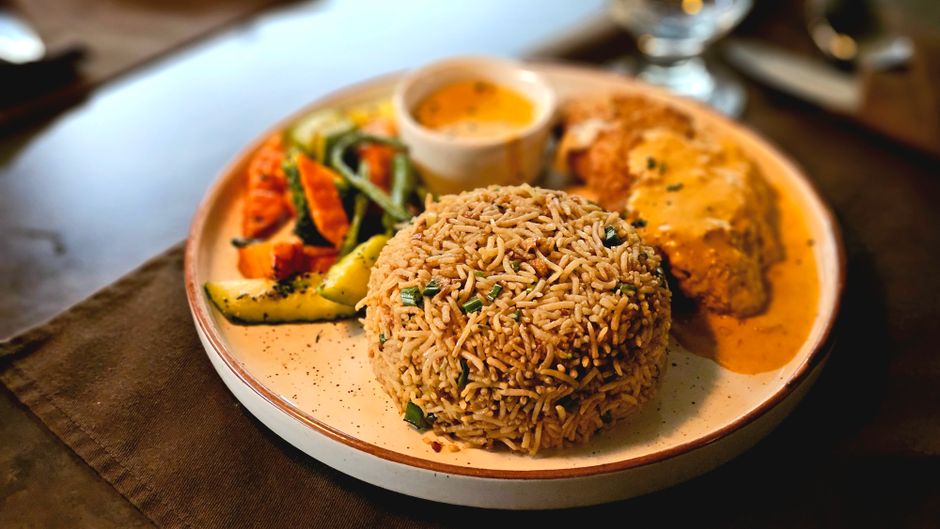
Creating a balanced plate for each meal does not require complex calculations or restrictive dieting. The plate method offers a straightforward visual framework that helps individuals combine different food groups in appropriate proportions. This approach emphasizes variety and moderation, allowing for flexibility while supporting nutritional goals. By focusing on the composition of a single meal, it becomes easier to maintain consistent eating patterns throughout the day.
Rather than counting grams of protein or measuring calories, the plate method divides a standard dinner plate into sections. One half is dedicated to vegetables and fruits, one quarter to lean proteins, and one quarter to carbohydrates. This simple structure provides a practical starting point for building meals that are satisfying and nutritionally diverse. The method can be adapted to different cuisines, dietary preferences, and individual energy needs without losing its core principle of balance.
Understanding how to apply this method consistently involves learning a few basic guidelines about food choices and portion sizes. This article explores each component of the plate in detail, offering suggestions for selecting quality ingredients and adjusting portions based on personal context. The goal is to provide a flexible tool that supports long-term eating habits rather than a rigid prescription.
The Foundation of the Plate Method
The plate method originated as a simple educational tool used by nutrition professionals to help individuals visualize appropriate portion sizes without relying on scales or measuring cups. It is based on the principle that a balanced meal should contain a variety of nutrients from different food groups. The visual division of the plate encourages mindful eating and reduces the tendency to prioritize one macronutrient over others.
By allocating half the plate to non-starchy vegetables and fruits, the method naturally increases fiber and micronutrient intake while limiting energy density. The remaining half is split between protein-rich foods and carbohydrate sources, which provide satiety and sustained energy. This structure helps regulate blood sugar levels and promotes a feeling of fullness after meals.
One of the advantages of the plate method is its adaptability. Different cultural or personal preferences can be accommodated by choosing suitable foods for each section. For example, individuals who follow a plant-based diet can replace animal proteins with legumes, tofu, or tempeh, while those who prefer higher carbohydrate intakes can adjust the proportions slightly. The method does not impose strict rules but rather offers a flexible framework that can be tailored to individual needs.
Filling Half the Plate with Vegetables and Fruits
The largest portion of the plate is reserved for vegetables and fruits, with an emphasis on non-starchy varieties. Dark leafy greens, cruciferous vegetables, bell peppers, tomatoes, cucumbers, and mushrooms are excellent choices because they are rich in vitamins, minerals, and antioxidants while being low in calories. Including a variety of colors ensures a broader range of phytonutrients.
Fruits can also occupy this section, though they contain natural sugars and should be consumed in moderation. Whole fruits such as berries, apples, or citrus are preferable to fruit juices because they provide fiber and promote satiety. For individuals managing carbohydrate intake, focusing more on vegetables than fruits within this half of the plate can help maintain desired macronutrient ratios.
Preparation methods influence the nutritional profile of vegetables and fruits. Steaming, roasting, grilling, or eating them raw preserves most nutrients, while heavy sauces or frying can add unwanted fats and sodium. Aiming for a variety of textures and flavors makes meals more enjoyable and encourages consistent consumption of these nutrient-dense foods.
Selecting Lean Proteins
The protein quarter of the plate should include sources that are low in saturated fats and processed additives. Lean meats such as skinless poultry, fish, and cuts of beef or pork labeled as “loin” or “round” are common options. Plant-based proteins like lentils, chickpeas, black beans, edamame, and tofu also fit well and contribute additional fiber.
Portion sizes for protein are often smaller than many people assume. A serving roughly the size of a deck of cards or the palm of one’s hand is generally adequate for most adults. This amount provides enough amino acids for muscle maintenance and repair without exceeding energy needs. Individuals with higher activity levels may adjust the portion slightly upward, but the visual guide remains useful.
Incorporating a variety of protein sources throughout the week helps ensure a complete amino acid profile and reduces the monotony of repeated meals. Canned fish, eggs, Greek yogurt, and cottage cheese are convenient options that require minimal preparation. Rotating between animal and plant proteins also introduces different textures and flavors, making balanced eating more sustainable.
Choosing Carbohydrates Wisely
The remaining quarter of the plate is dedicated to carbohydrate-rich foods. This category includes whole grains, starchy vegetables, and legumes. Examples include quinoa, brown rice, oats, whole wheat pasta, sweet potatoes, corn, and peas. These foods provide energy, fiber, and essential B vitamins.
Refined carbohydrates such as white bread, white rice, and sugary cereals should be minimized because they lack fiber and can cause rapid spikes in blood glucose. When choosing carbohydrate sources, opting for whole and minimally processed versions supports more stable energy levels and better digestive health. Portion sizes for carbohydrates can vary based on activity level, insulin sensitivity, and overall energy requirements.
Some individuals may find that they need a slightly larger carbohydrate portion, especially after intense physical activity. The plate method allows for these adjustments by simply shifting the boundary between the carbohydrate and vegetable sections. The key is to maintain the overall balance while respecting individual context. Including a small serving of healthy fats, such as avocado slices or a drizzle of olive oil, can also complement this section without disrupting the visual proportions.
Practical Tips for Everyday Application
Implementing the plate method in daily life requires some preparation and awareness. One helpful strategy is to plan meals around the plate structure before cooking. For example, when preparing dinner, decide which vegetable will fill half the plate, which protein will occupy a quarter, and which carbohydrate will complete the meal. This reduces last-minute decisions and makes grocery shopping more efficient.
Using a standard dinner plate—about nine to ten inches in diameter—helps maintain consistent proportions. Larger plates can lead to oversized portions, while smaller plates may result in insufficient intake. If a plate of that size is not available, visual cues such as comparing portions to the size of one’s hand can serve as a substitute.
Eating out or ordering takeout presents challenges, but the plate method can still be applied. Requesting extra vegetables instead of an additional carbohydrate side, asking for dressings and sauces on the side, and choosing grilled or steamed options are practical ways to maintain balance. Even if the meal arrives on a larger plate, mentally dividing it according to the plate method helps control portion sizes.
Adapting the Plate Method for Different Meals
Breakfast, lunch, and dinner can all benefit from the same visual framework, though the food choices may differ. For breakfast, a balanced plate might include scrambled eggs (protein), a slice of whole grain toast (carbohydrate), and a side of sautéed spinach or fresh berries (vegetables/fruits). This ensures the meal provides sustained energy for the morning.
Lunch and dinner follow the same structure, but lunch portions might be slightly smaller depending on individual schedules and hunger levels. Snacks can also be balanced using a similar principle: combining a protein source with a carbohydrate or vegetable. For instance, apple slices with almond butter or carrot sticks with hummus represent a mini version of the plate method.
The method can be adjusted for cultural dishes. Stir-fries, grain bowls, and salads naturally align with the plate method if the proportions are kept in mind. For example, a grain bowl can be built by starting with a base of leafy greens, adding a moderate amount of quinoa, topping it with grilled chicken or tofu, and finishing with a colorful array of vegetables. The visual proportions remain the same even if the foods are mixed together.